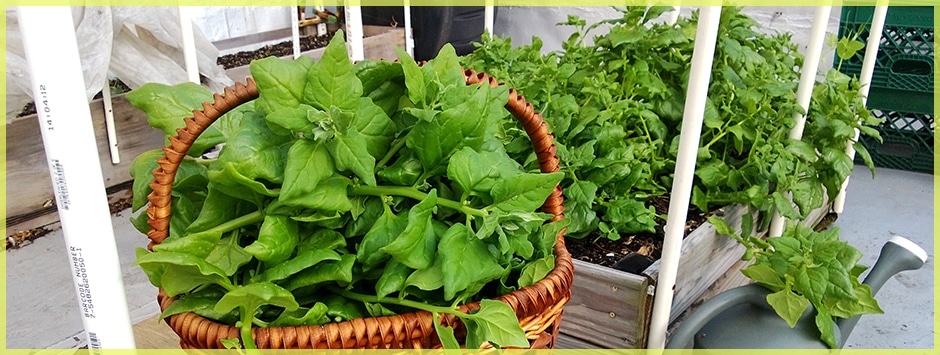
New Zealand Spinach: Captain Cook's Superfood & Why It's Not Spinach
In the realm of leafy greens, few possess the intriguing history and summer resilience of New Zealand spinach. Often lauded for its nutritional prowess and ability to thrive when its traditional counterparts wilt, this remarkable plant has earned its place in gardens and on plates worldwide. It’s a verdant champion that, once established, truly *new zealand spinach taketh over* your summer garden, offering a continuous harvest of tender leaves. But despite its common name, New Zealand spinach (
Tetragonia tetragonioides) is a unique botanical entity, distinctly different from the spinach we know and love (
Spinacia oleracea). Let’s dive into the fascinating story and practical benefits of this often-misunderstood superfood.
The Historical Voyage of a "Superfood": Captain Cook's Connection
The tale of New Zealand spinach is deeply intertwined with exploration and survival. Its journey into global recognition began in the 18th century with none other than Captain James Cook. During his epic voyages of discovery, Cook and his crew faced the terrifying scourge of scurvy, a debilitating disease caused by severe vitamin C deficiency. While exploring the shores of New Zealand and Australia, they encountered this robust, succulent plant growing abundantly.
Recognizing its potential, Cook's botanist, Sir Joseph Banks, collected seeds and instructed the crew to consume the plant. This fortuitous discovery provided a vital source of vitamin C, helping to protect the sailors from scurvy. The success of this botanical intervention was so profound that Banks brought seeds back to England, making New Zealand spinach one of the first Australian vegetables to be cultivated in Europe.
Beyond its historical role, New Zealand spinach is indeed a nutritional powerhouse. It’s packed with essential nutrients, making it a worthy addition to any diet. Like other beneficial greens, it’s an excellent source of dietary fiber, crucial for digestive health. It also boasts a rich profile of antioxidants, which combat free radicals in the body. Furthermore, it delivers a healthy dose of vital vitamins and minerals, including calcium for strong bones, and significant levels of vitamins A and C, contributing to vision, immune function, and skin health. It truly lives up to its "superfood" moniker, offering robust nutrition in a resilient package.
New Zealand Spinach: Not Your Average Spinach (Botanical Distinction)
The most common misconception about New Zealand spinach is that it’s simply another variety of regular spinach. While it shares many culinary and nutritional similarities with its namesake, botanically speaking, they are distinct species from different plant families. True spinach (
Spinacia oleracea) belongs to the Amaranthaceae family, while New Zealand spinach (
Tetragonia tetragonioides) is part of the Aizoaceae family, often referred to as the "ice plant family." This distinction is crucial to understanding its unique characteristics and why it behaves so differently in the garden.
One of the most significant advantages of New Zealand spinach, and a key reason why it quickly *new zealand spinach taketh over* as a gardener's favorite, is its remarkable tolerance for heat. Traditional spinach is a cool-season crop that bolts (goes to seed) rapidly in warm weather, rendering its leaves bitter and inedible. New Zealand spinach, however, thrives in the very conditions that cause other greens to fail. Its succulent, slightly thicker leaves are designed to withstand summer heat, providing a continuous harvest of fresh greens even during the dog days of summer.
This heirloom vegetable boasts a sprawling, vining growth habit, sending out numerous shoots laden with triangular, fleshy leaves. Its texture is often described as slightly thicker and more succulent than common spinach, with a mild, earthy flavor that makes it incredibly versatile in the kitchen. For gardeners seeking a dependable, heat-tolerant leafy green that provides a continuous yield when other options have long surrendered to the sun, New Zealand spinach is an unparalleled choice.
Cultivating Your Own Summer Bounty: Growing New Zealand Spinach
Growing New Zealand spinach is remarkably straightforward, making it an excellent choice for both novice and experienced gardeners. Its resilience and self-seeding tendencies mean that once established, this prolific green can truly *new zealand spinach taketh over* a designated spot in your garden with minimal fuss for years to come. For more detailed insights into its vigorous growth, you might find this article helpful:
Why New Zealand Spinach Takes Over: Grow Endless Summer Greens.
Starting Seeds & Planting
To get a head start on the growing season, especially in cooler climates, you can begin New Zealand spinach seeds indoors. Sow them approximately 3-4 weeks before your region's last anticipated spring frost. Once the danger of frost has passed, and about 2-3 weeks after your last frost date, the seedlings can be transplanted outdoors. For those in warmer climates or with longer growing seasons, direct sowing is also an option. Plant seeds about 1/2 to 1 inch deep, spaced roughly four per square foot, in an area that receives full sun. Consistent moisture is key during germination, which typically occurs within 14-21 days. What’s truly remarkable is its ability to self-seed; many gardeners report that once they’ve planted New Zealand spinach, new seedlings reliably reappear each spring, year after year.
Companion Planting for Success
Companion planting is an organic gardening strategy that can significantly enhance the health and productivity of your garden. It involves strategically placing plants near each other to create a beneficial micro-ecosystem, whether by attracting useful insects, repelling pests, providing nutrients, or offering shade and support.
Luckily, New Zealand spinach is a very amiable plant. It has no "bad" companion plants, meaning it generally coexists peacefully with most garden residents. However, some plants can offer specific benefits. Good companions include:
- Basil: Known for deterring certain pests.
- Bush & Pole Beans: Legumes enrich the soil with nitrogen.
- Marigolds: Their strong scent can repel nematodes and other pests.
- Marjoram & Oregano: Aromatic herbs that can deter pests.
- Okra: Provides light shade in the hottest parts of summer.
- Peas: Like beans, they fix nitrogen in the soil.
- Strawberries: Can form a living mulch, helping to retain soil moisture.
- Tomatoes (Bush & Vine): Offers some dappled shade during peak sun.
Battling Pests Naturally
While New Zealand spinach is generally robust, it can attract a few common garden pests. The good news is that most of these can be managed with natural, pesticide-free solutions.
- Aphids: These tiny sap-suckers can be dislodged with a strong spray of water or treated with insecticidal soap. Encouraging beneficial insects like ladybugs and lacewings is also highly effective.
- Grasshoppers: For minor infestations, hand-picking can work. Row covers can provide a physical barrier for young plants.
- Rabbits: These furry visitors love tender greens. Physical barriers like fencing around your garden beds are the most reliable deterrent.
- Slugs/Snails: These nocturnal munchers can be managed with beer traps, hand-picking them off plants at night, or by creating barriers of crushed eggshells or diatomaceous earth.
Harvesting & Culinary Delights: From Garden to Plate
One of the most rewarding aspects of New Zealand spinach is its generous yield and versatility in the kitchen. With its continuous production throughout the warm months, you’ll have a fresh supply of greens ready for culinary experimentation. For more practical advice on maximizing your harvest, explore this resource:
Beat Summer Heat: How to Grow & Harvest New Zealand Spinach.
When and How to Harvest
New Zealand spinach is typically ready for its first harvest approximately 60 days after planting. As a vining plant, it's best to harvest the younger, tender leaves. Once your plant has developed at least 4 or 5 substantial leaves, you can begin picking. Always start by taking leaves closest to the stem, and importantly, never remove more than one-third of the plant at any one time. This sustainable harvesting method encourages continuous growth and ensures a long, productive season.
Preparing & Enjoying Your Greens
Before cooking or storing, it's a good practice to soak the freshly harvested leaves in a bowl of ice-cold water. This helps to dislodge any small bugs or debris that might be clinging to the leaves and also helps to crisp them up, increasing their preservability.
For immediate use, the leaves are ready after a quick rinse and pat dry. If you plan to store them, place the leaves in a ziplock bag with a damp paper towel and refrigerate; they’ll stay fresh for several days. For long-term storage, New Zealand spinach leaves can also be blanched and frozen, much like regular spinach or kale.
In the kitchen, New Zealand spinach is incredibly adaptable. Its mild flavor and slightly succulent texture make it a fantastic substitute for traditional spinach in almost any recipe.
- Raw in Salads: Add young, tender leaves to your favorite summer salads for a refreshing crunch.
- Cooked Dishes: Sauté it with garlic and olive oil as a simple side dish. It stands up well in stir-fries, quiches, omelets, and frittatas.
- Wraps & Burritos: Incorporate it into your wraps, tacos, and burritos for an extra nutritional boost.
- Smoothies: Blend it into green smoothies for a dose of vitamins without overpowering the flavor.
- Soups & Stews: Stir it into soups, stews, or pasta sauces during the last few minutes of cooking.
Its resilience and unique texture make it a superb ingredient that holds its own in various culinary applications.
Conclusion
New Zealand spinach, or
Tetragonia tetragonioides, is far more than just a namesake. It’s an extraordinary, heat-loving green with a storied past, a rich nutritional profile, and an unparalleled ability to thrive when most other leafy greens falter. From Captain Cook's voyages to modern-day gardens, this resilient plant has proven its worth. Easy to grow, low-maintenance, and incredibly versatile in the kitchen, it's a true garden workhorse that truly *new zealand spinach taketh over* the role of summer greens. If you're looking for a dependable source of fresh, healthy produce throughout the warmer months, embracing this historical superfood is a choice you won't regret.