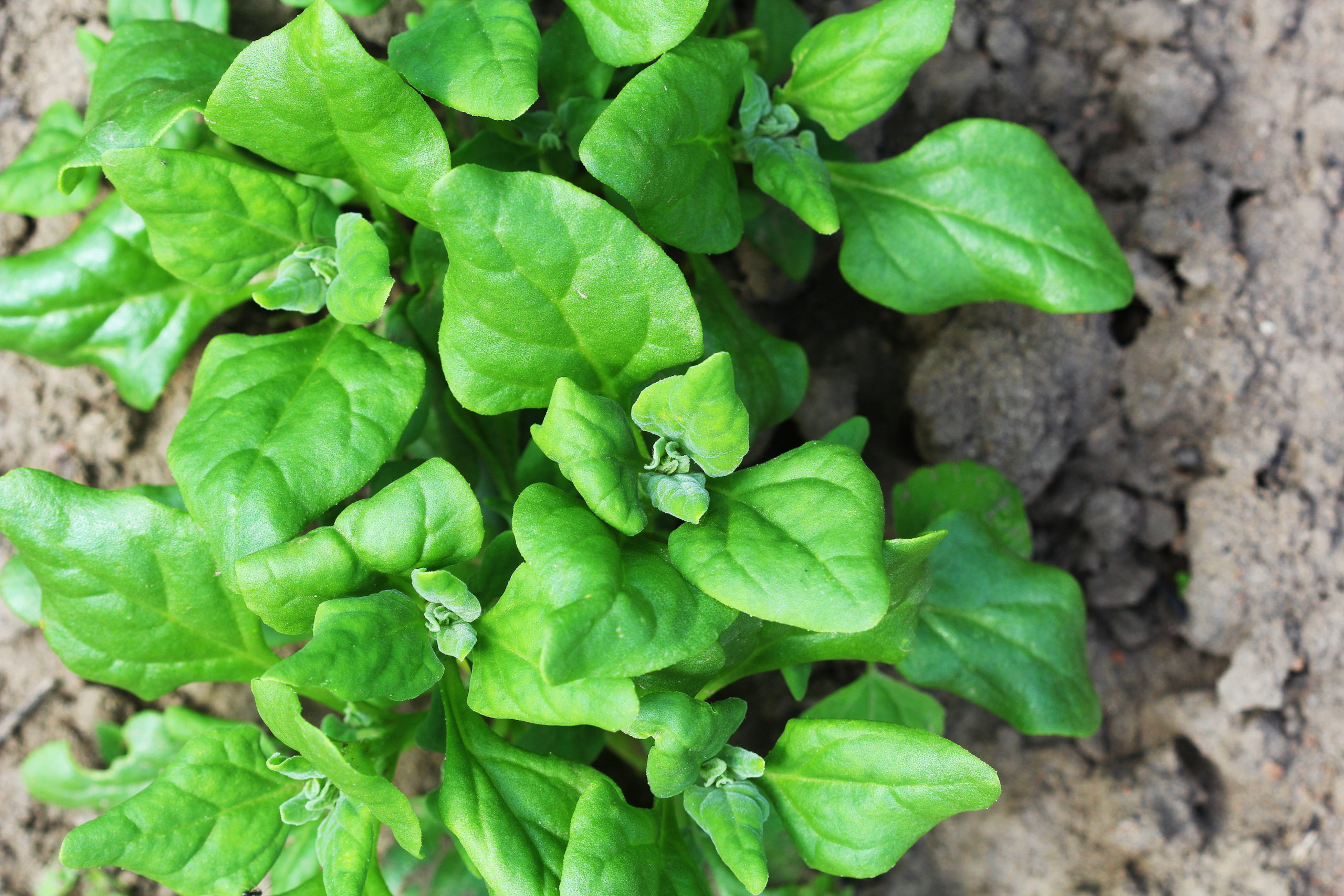
Beat Summer Heat: Your Guide to Growing & Harvesting New Zealand Spinach
As the scorching sun beats down and delicate lettuce varieties wilt into submission, many gardeners find themselves yearning for fresh, homegrown greens. Traditional spinach and other cool-season favorites often bolt or struggle in the summer heat, leaving a void in salads and stir-fries. But what if there was a leafy green that not only tolerated the summer sun but actually thrived in it, providing a continuous harvest when others fail? Enter New Zealand Spinach (
Tetragonia tetragonioides), a remarkably resilient and delicious alternative that will transform your summer garden. This vigorous plant doesn't just endure the heat; it often leads gardeners to exclaim, "
New Zealand Spinach taketh over!" – a testament to its robust growth and generous yields.
What Makes New Zealand Spinach Your Summer Garden Hero?
New Zealand Spinach is far more than just a stand-in for traditional spinach. It's a unique, heirloom vegetable with a fascinating history and an impressive nutritional profile, perfectly adapted to the challenges of summer gardening. Unlike common spinach (
Spinacia oleracea), which belongs to the amaranth family (Amaranthaceae), New Zealand Spinach is part of the Aizoaceae family, making it botanically distinct. This difference is key to its heat tolerance and succulent texture.
A Brief History and Nutritional Powerhouse
The story of New Zealand Spinach dates back to the 18th century, with explorer Captain James Cook and his crew. Facing the grim threat of scurvy during their voyages, they discovered this wild green growing abundantly along the coastlines of New Zealand and Australia. Recognizing its value as a fresh vegetable packed with vital nutrients, they consumed it to prevent the debilitating disease. Botanist Sir Joseph Banks later brought seeds back to England, making it one of the first Australian vegetables to be cultivated in Europe. To learn more about this historical superfood and its botanical classification, check out our article:
New Zealand Spinach: Captain Cook's Superfood & Why It's Not Spinach.
Today, we know why it was so effective: New Zealand Spinach is a nutritional powerhouse, brimming with vitamins A and C, calcium, fiber, and antioxidants. These compounds are crucial for overall health, supporting everything from immune function and bone density to digestive health. Its slightly succulent leaves offer a mild, earthy flavor, making it a versatile ingredient that some argue is even better than regular spinach, especially when fresh options are scarce. Its natural habitat along shorelines and inland woodlands also explains its remarkable drought tolerance and ability to thrive in less-than-ideal conditions, further cementing its status as a summer garden champion.
Mastering the Grow: Planting New Zealand Spinach from Seed to Harvest
Cultivating New Zealand Spinach is refreshingly straightforward, making it an excellent choice for both beginner and experienced gardeners. Its resilience and adaptability mean fewer headaches and more harvests, even during the dog days of summer.
Starting Strong: Indoors or Direct Sow?
To get a jump start on the growing season and enjoy earlier harvests, you can sow New Zealand Spinach seeds indoors 3-4 weeks before your average last spring frost date. Plant seeds 1/2 to 1 inch deep in small pots or seed trays. Maintaining consistent moisture is crucial during this germination phase. Once your seedlings have developed a few sets of true leaves and the danger of frost has passed (typically 2-3 weeks after your last spring frost), they can be transplanted outdoors. Before transplanting, remember to harden off your seedlings by gradually exposing them to outdoor conditions for a week or so. This crucial step prevents transplant shock and ensures a smooth transition to your garden bed.
Alternatively, you can direct sow seeds outdoors once the soil has warmed up sufficiently after the last frost. New Zealand Spinach seeds typically sprout within 14-21 days. The beauty of this plant is its long growing window; you can continue planting seeds throughout the summer, right up until about 14 weeks before your first anticipated fall frost, ensuring a continuous supply of fresh greens.
Location, Location, Location: Sun, Soil & Spacing
New Zealand Spinach thrives in full sun, requiring at least 6-8 hours of direct sunlight per day to achieve its best growth and yields. While it's tolerant of various soil types, it prefers well-draining soil with a pH ranging from slightly acidic to neutral. Amend your soil with organic matter like compost before planting to improve fertility and drainage.
When planting, space your seeds or seedlings adequately to allow for healthy growth. Aim for about 4 plants per square foot, planting seeds 1/2 to 1 inch deep. Remember, this is a vining plant, so it will spread! Providing some space or even a small trellis can encourage better air circulation and easier harvesting, though it's perfectly happy sprawling across the ground. Consistent moisture is important, especially during germination and establishment. Once established, New Zealand Spinach is quite drought-tolerant, a characteristic inherited from its wild origins. However, regular watering during dry spells will result in lusher, more tender leaves. Mulching around your plants can also help retain soil moisture and suppress weeds.
The Art of Companionship: Boosting Growth Naturally
Companion planting is an invaluable organic gardening technique that harnesses nature's synergy to improve plant health, deter pests, and attract beneficial insects. For New Zealand Spinach, finding good neighbors is easy, as it's quite amenable.
Excellent Companion Plants:
*
Basil: Repels flies and mosquitoes, attracting beneficial pollinators.
*
Bush & Pole Beans: Nitrogen fixers that enrich the soil.
*
Marigolds: Known for repelling nematodes and other garden pests with their strong scent.
*
Marjoram & Oregano: Aromatic herbs that confuse pests and attract beneficial insects.
*
Okra: Provides natural shade in the heat of summer.
*
Peas: Like beans, they fix nitrogen, benefiting nearby plants.
*
Strawberries: A good groundcover companion, often sharing similar growing needs.
*
Tarragon: Repels some pests and is generally a good garden neighbor.
*
Tomatoes (Bush & Vine): Can provide light shade for New Zealand Spinach during the hottest parts of the day if planted strategically.
The good news is that there are virtually no known "bad" companion plants for New Zealand Spinach. This means you have a lot of flexibility in your garden layout. Generally, avoid planting very tall, dense plants that would completely overshadow and suffocate your New Zealand Spinach, as it does prefer full sun.
Taming the Tetragonia: Harvesting, Pests & Year-Round Enjoyment
One of the most rewarding aspects of growing New Zealand Spinach is its generous and continuous harvest. Once established, it becomes a true garden workhorse, supplying you with fresh greens throughout the summer and beyond.
The Gentle Harvest: Encouraging More Growth
New Zealand Spinach is typically ready for its first harvest approximately 60 days after planting. As a vining plant, it will produce numerous leaves along its sprawling stems. To harvest, simply snip or pinch off leaves once the plant has developed 4 or 5 sets of leaves. Always start with the leaves closest to the main stem or older, larger leaves.
The golden rule for harvesting New Zealand Spinach (and most leafy greens) is to
never take more than 1/3 of the plant at any one time. This practice encourages the plant to produce new growth, ensuring a continuous supply of tender leaves throughout the season. Regular harvesting also helps keep the plant productive and prevents it from putting all its energy into flowering and seeding, though its self-seeding tendency is a delightful bonus for future seasons.
Battling Garden Invaders Organically
Even resilient plants like New Zealand Spinach can fall prey to common garden pests. Fortunately, organic solutions are readily available to protect your harvest:
*
Aphids: These tiny pests can be dislodged with a strong spray of water. For heavier infestations, an insecticidal soap or neem oil spray can be effective. Encouraging natural predators like ladybugs and lacewings is also a great long-term strategy.
*
Grasshoppers: Row covers can provide a physical barrier against grasshoppers when plants are young. Hand-picking can be effective in smaller gardens.
*
Rabbits: The most effective deterrent for rabbits is a physical barrier like fencing around your garden beds. Repellents, such as those made with capsaicin (hot pepper spray), can also offer some protection.
*
Slugs/Snails: These nocturnal pests can be managed with beer traps (shallow dishes filled with beer), diatomaceous earth sprinkled around plants (effective when dry), or by hand-picking them during their active hours. Encouraging natural predators like toads and ground beetles can also help.
Maintaining a healthy garden ecosystem, with diverse plant life and organic practices, goes a long way in preventing severe pest issues.
From Garden to Plate: Culinary Delights & Storage
Once you've harvested your vibrant New Zealand Spinach, it's ready for culinary adventure. Before use, it's a good practice to soak the leaves in a bowl of ice-cold water for about 10-15 minutes. This helps to dislodge any lingering tiny bugs or debris and also revitalizes the leaves, increasing their crispness and shelf life.
New Zealand Spinach has a slightly saltier, more succulent taste than traditional spinach, making it a fantastic addition to a variety of dishes:
*
Fresh Salads: Its tender leaves are perfect raw in summer salads.
*
Stir-fries & Sautés: Add it at the end of cooking to maintain its texture and vibrant color.
*
Burritos & Wraps: A fresh and healthy filler.
*
Quiches & Frittatas: A great way to incorporate greens into baked dishes.
*
Soups & Stews: Adds a nutritional boost and mild flavor.
*
Smoothies: Blend it into your morning drink for an extra dose of vitamins.
For short-term storage, place harvested leaves in a ziplock bag with a damp paper towel and store them in the refrigerator, where they will keep for up to a week. For long-term storage, New Zealand Spinach leaves can be frozen. While some prefer to blanch them first, others simply wash, dry, and freeze them in freezer-safe bags or containers.
Conclusion
New Zealand Spinach is truly a summer garden marvel. Its ability to thrive in the heat, coupled with its historical significance, impressive nutritional value, and ease of cultivation, makes it an indispensable addition to any garden aiming for continuous harvests. From its fascinating origins aboard Captain Cook's ships to its current role as a resilient, self-seeding powerhouse, this plant proves that delicious, healthy greens don't have to disappear when the temperatures rise. So, embrace the summer sun and let New Zealand Spinach transform your garden into a continuous source of fresh, vibrant greens. Once you experience its bounty, you'll understand why many gardeners happily declare, "
New Zealand Spinach taketh over!" – providing endless summer enjoyment for years to come.